Great-Granny's Pound Cake
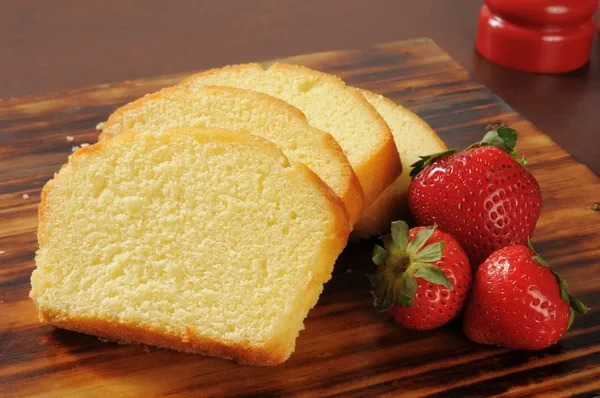
Experience the enduring elegance of Great-Granny's Pound Cake, an old-fashioned dessert prized for its dense, velvety crumb and rich, buttery flavor. This heritage recipe produces a consistently moist and soft interior that serves as the gold standard for traditional baking. Perfect for a quiet afternoon with a cup of coffee or as a sophisticated finale to a family dinner, this timeless classic delivers a nostalgic, high-quality texture that modern boxed mixes simply cannot replicate.
The true brilliance of this heritage pound cake lies in its exceptional versatility as a foundational dessert. While spectacular when served plain, its sturdy yet tender crumb makes it the ideal base for a premier strawberry shortcake, pairing beautifully with macerated fresh fruit and dollops of artisanal whipped cream. Whether featured at a vibrant summer picnic or enjoyed during a relaxed weekend gathering, this dependable recipe remains a staple of American confectionery, providing a luxurious canvas for seasonal toppings and creative culinary flourishes.
Ingredients
1 cup butter 1⅔ cup granulated sugar 5 eggs 2 cups pastry or cake flour ¼ teaspoon salt
Method
- 1. Butter and flour a loaf pan.
- 2. Cream the butter and sugar until light and fluffy. Add the eggs one at a time and beat well.
- 3. When the mixture is nice and creamy, fold in the flour and salt.
- 4. Spoon into baking pan and bake for 1 1⁄2 hours.

Traditional Pound Cake: Sound as a Pound
The Pound Cake, a dessert that has become a classic in many households, has a rich history that spans centuries. Its roots can be traced back to Northern Europe, specifically England, in the early 1700s. During this period, literacy rates were not as high as they are today, and many people couldn't read. Recipes needed to be simple and easy to remember, and the pound cake fit this requirement perfectly.
The name "pound cake" is a direct reflection of its original recipe, which was beautifully straightforward. It called for a pound each of four key ingredients: flour, butter, eggs, and sugar. This 1:1:1:1 ratio made the recipe incredibly easy to remember, even without written instructions. It also resulted in a large, hearty cake that could feed multiple people, making it a practical choice for families.
Journey to America and Evolution
Pound cake made its way to America with British and European immigrants during the 18th century. As the cake traveled across the Atlantic, it began to evolve. American colonists adapted the recipe based on available ingredients and local tastes. By the 1800s, cookbooks throughout the United States featured pound cake recipes, often with regional variations.
In the American South, pound cake became particularly cherished and was transformed into a symbol of hospitality. Southern bakers added their own flourishes, sometimes incorporating buttermilk, sour cream, or cream cheese to enhance moisture and flavor. The cake's dense, buttery texture made it perfect for withstanding the South's humid climate, and it became a staple at family gatherings, church socials, and holiday celebrations.
Cultural Significance and Variations
Across generations, pound cake recipes have been passed down as precious family heirlooms. Many families have their own "secret" variations, with subtle differences that make each recipe unique. These treasured recipes often carry stories and memories of grandmothers and great-grandmothers who perfected their versions through years of baking.
Different cultures have adapted pound cake to create their own variations:
- In France, the "quatre-quarts" (four quarters) follows the same equal-weight principle
- In Germany, the "Sandkuchen" (sand cake) is a variation that gets its name from its sandy texture
- In Mexico, the "panqué" incorporates local ingredients like cinnamon and sometimes nuts
- In Caribbean countries, rum and tropical fruits often find their way into pound cake variations
The Science Behind the Simplicity
Despite its simple ingredients, pound cake is a marvel of food chemistry. The high ratio of fat and sugar to flour creates a cake with a uniquely tender crumb and moist texture. The traditional method of extended creaming of butter and sugar incorporates air into the batter, which expands during baking to give the cake its characteristic fine texture and even rise without the need for chemical leaveners.
Modern pound cakes often include small amounts of baking powder or baking soda, but traditionalists insist that a properly made pound cake needs no leavening beyond careful creaming and the natural leavening power of eggs.
Versatility in Modern Cuisine
While the pound cake is delicious in its traditional form, it's also incredibly versatile. One popular variation is to serve it as a strawberry shortcake. By adding fresh fruit and whipped cream, you can transform the humble pound cake into a delightful summer dessert.
Pound cake serves as an excellent canvas for other culinary creations as well:
- Toasted slices make an exceptional base for ice cream sundaes
- Cubed pound cake can be used in trifles and parfaits
- Grilled pound cake with caramelized edges pairs beautifully with stone fruits
- Leftover pound cake can be transformed into delicious french toast
Whether you're planning a picnic or a backyard gathering with friends, Great-Granny's Pound Cake is sure to be a hit. Its enduring legacy reminds us that sometimes the simplest recipes are the ones that stand the test of time.