Barbecue Sauce
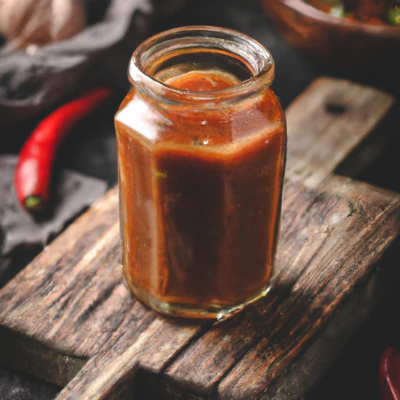
Bring the bold, authentic flavors of a traditional smokehouse to your kitchen with this Barbecue Sauce, a masterfully balanced glaze that blends tangy, smoky, and sweet notes. This homemade staple is designed for ultimate versatility, serving as the perfect companion for slow-roasting, high-heat grilling, or as a signature dipping sauce that far surpasses store-bought alternatives.
The complexity of this sauce comes from its unique blend of savory spices and rich sweeteners, transforming ordinary meats and roasted vegetables into extraordinary culinary experiences. Whether you are hosting a festive backyard gathering or preparing a simple family dinner, this foolproof recipe ensures a deep, caramelized finish that has been a must-have in traditional kitchens for years.
Ingredients
Barbecue Sauce1 (15-ounce) can tomato sauce ½ cup apple cider vinegar ⅓ cup honey ¼ cup tomato paste ¼ cup molasses 3 tablespoons Worcestershire 2 teaspoons liquid smoke 1 teaspoon smoked paprika 1 teaspoon garlic powder ½ teaspoon freshly-ground black pepper ½ teaspoon onion powder ½ teaspoon fine sea salt optional: a few pinches of cayenne for extra heat, if desired
Method
- 1. Preparation: Start by combining all the ingredients in a medium saucepan. Use a whisk to ensure they are well mixed.
- 2. Cooking: Place the saucepan over medium-high heat. Allow the mixture to reach a simmer. Once simmering, reduce the heat to medium-low. Let the sauce simmer uncovered for about 10-15 minutes. You'll know it's ready when it has thickened slightly.
- 3. Serving: The sauce is ready to use immediately. If you're not using it right away, you can store it in a sealed container in the refrigerator. It will keep for up to a week.

The History and Art of Making Barbecue Sauce
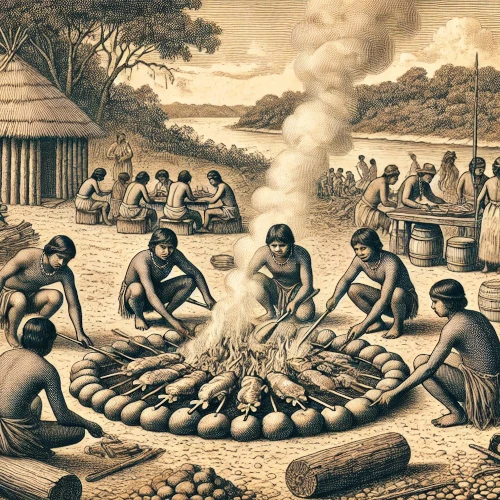
Long before European contact, indigenous peoples of the Caribbean and the Americas had perfected the art of slow-cooking meat over open flames. The Taino people of the Caribbean developed a wooden framework called a "barbacoa" to cook meat, a method that would later influence modern barbecue techniques.
Different Native American tribes had their own unique barbecue methods:
- Southeastern Tribes (Cherokee, Creek, Choctaw): Used underground pit cooking and seasoned meats with wild herbs and berries.
- Plains Tribes (Lakota, Comanche, Blackfoot): Smoked and dried buffalo meat to create pemmican, a long-lasting food source.
- Southwestern Tribes (Pueblo, Apache, Navajo): Roasted meats in clay ovens, sometimes using spicy chili-based marinades.
- Pacific Northwest Tribes (Tlingit, Chinook, Haida): Perfected cedar-plank cooking, particularly for salmon.
Origins and Evolution of Barbecue Sauce
Early barbecue sauces were simple, often consisting of vinegar, citrus, and wild herbs. As European settlers arrived, they introduced new ingredients such as Worcestershire sauce and mustard. Enslaved African people contributed spices, molasses, and cooking techniques that shaped Southern barbecue culture.
Regional Variations of Barbecue Sauce
Over time, different regions in the U.S. developed their own distinct barbecue sauces:
- Eastern Carolina: Vinegar-based, tangy, and spicy.
- Western Carolina (Lexington Style): Vinegar-based with a touch of tomato.
- Kansas City: Thick, tomato-based, sweetened with molasses.
- Memphis: Spicier and thinner tomato-based sauce, often used as a glaze.
- Texas: Bold, savory, and often made with beef drippings.
- Alabama White Sauce: A unique mayonnaise-based sauce for smoked chicken.
Cultural Impact and Global Influence
Barbecue sauce has become a cultural staple, celebrated in festivals, cookouts, and competitions. It has also influenced global cuisines, inspiring variations such as:
- Korean Barbecue: Gochujang-based sweet and spicy sauces.
- Jamaican Jerk BBQ: Marinades featuring allspice and Scotch bonnet peppers.
- Brazilian Churrasco: Simple salt-and-garlic seasoning for grilled meats.
The Art of Making Barbecue Sauce
Creating your own barbecue sauce allows for customization and healthier choices. The key steps include:
- Choosing a Base: Tomato, vinegar, mustard, or even fruit-based sauces.
- Balancing Flavors: A mix of sweet, tangy, smoky, and spicy elements.
- Simmering for Depth: Slow-cooking the sauce enhances its flavor.
- Customizing: Adjust sweetness, spice, or acidity to your liking.
Making your own Barbecue Sauce at home allows you to adjust the flavors to your liking. You can make it sweeter, tangier, or spicier depending on your preference. This customization is part of the joy of home cooking, allowing you to create a sauce that is uniquely yours. It's also a great way to avoid the preservatives and additives that are often found in store-bought sauces, making your homemade version a healthier choice.
Remember, the best Barbecue Sauce is made not just with the right ingredients, but also with patience and care. It's about taking the time to balance the flavors, to taste and adjust, and to cook the sauce until it reaches its full potential. So, roll up your sleeves, gather your ingredients, and get ready to make your own homemade Barbecue Sauce! It's a rewarding process that culminates in a sauce that's packed with flavor and made with love.
Related Recipes
-

Baked Beans
Sweet and tangy baked beans make a great addition to a cookout. White beans with BBQ sauce, molasses, brown sugar, and maple syrup, create a taste sensation that's hard to resist.
-
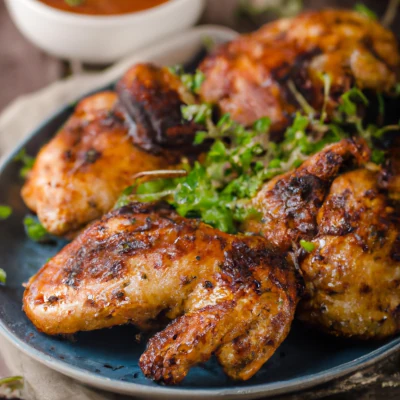
Granny's BBQ Chicken
Relish the smoky and savory flavors of Granny's BBQ Chicken, a perfect feast for any mealtime, featuring juicy chicken breasts seasoned to perfection.
-
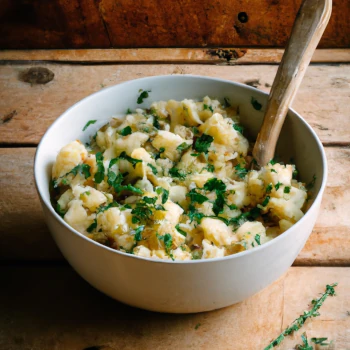
Granny's Homestyle Potato Salad
Dive into the comforting flavors of Granny's Homestyle Potato Salad, a harmonious mix of soft potatoes, crunchy celery, and a rich, creamy dressing.